
The Hidden Perils of Open Waste Dumping and Its Impact on Climate Change and Human Health
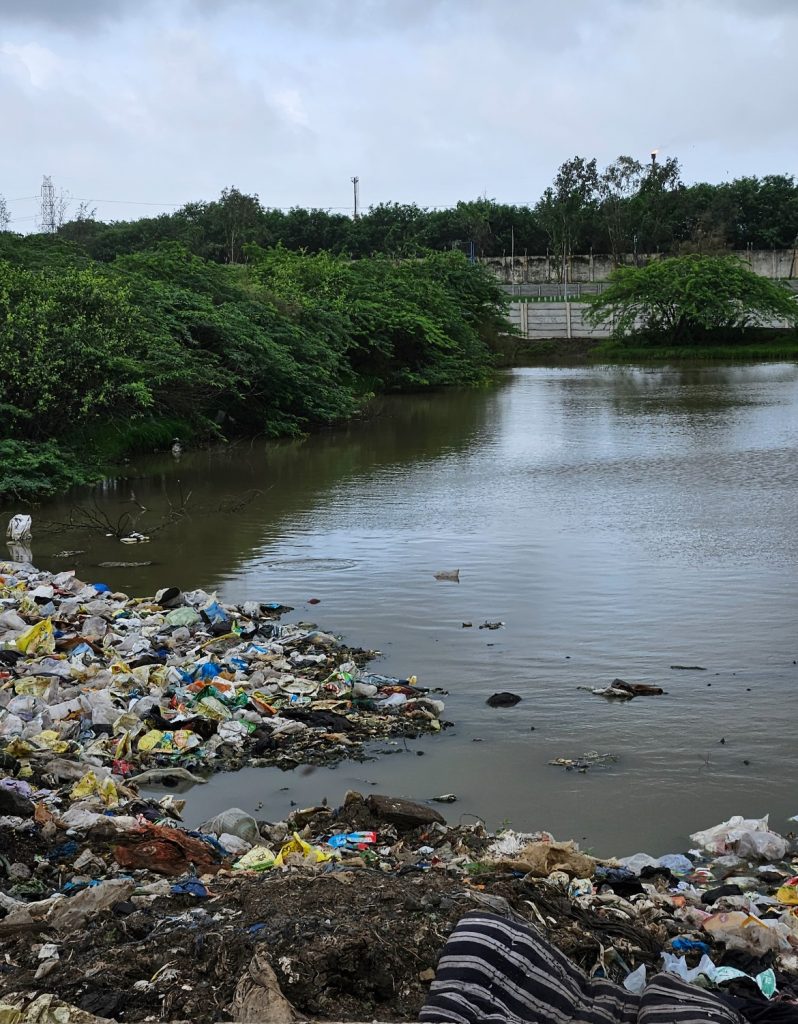
In many parts of the world, particularly in rural areas of developing countries, open waste dumping remains a prevalent practice. This method of waste disposal, where garbage is deposited in open spaces without any treatment or containment, poses significant threats to both the environment and human health.
In our personal experience conducting surveys and visits in rural India, we found that many villagers believe burning waste is the most responsible way to manage it. This belief stems from a lack of knowledge about proper waste management practices and limited access to appropriate disposal methods. In some instances, even when villagers are aware of the harmful effects, they feel immune to the toxins released by burning waste because they have been doing it for years.
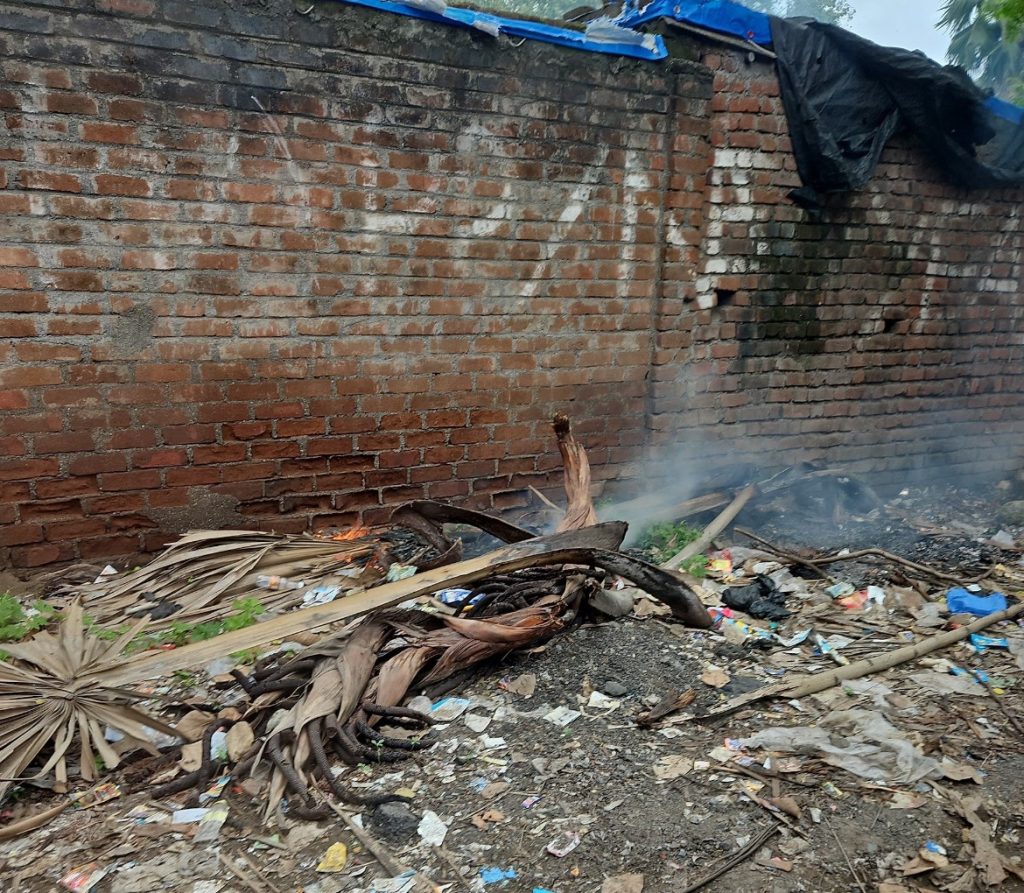
The Climate Impact of Open Waste Dumping
- Methane Emissions: Organic waste, such as food scraps and yard waste, decomposes anaerobically (without oxygen) in open dumps. This process produces methane, a potent greenhouse gas that is over 25 times more effective than carbon dioxide at trapping heat in the atmosphere over a 100-year period.
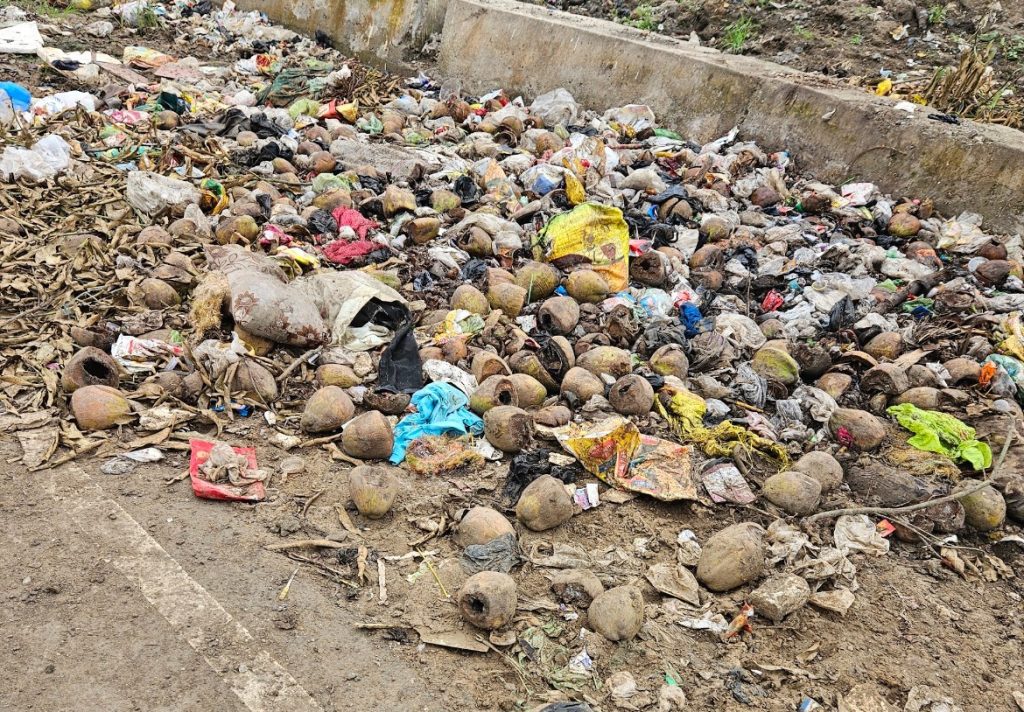
- Carbon Dioxide Release: Burning waste, a common practice in open dumps to reduce volume, releases significant amounts of carbon dioxide, along with other harmful pollutants. This not only adds to the greenhouse gases in the atmosphere but also deteriorates air quality.

- Black Carbon: The incomplete combustion of waste produces black carbon, a component of particulate matter that absorbs sunlight and warms the atmosphere. Black carbon also accelerates the melting of ice and snow when it settles on these surfaces.
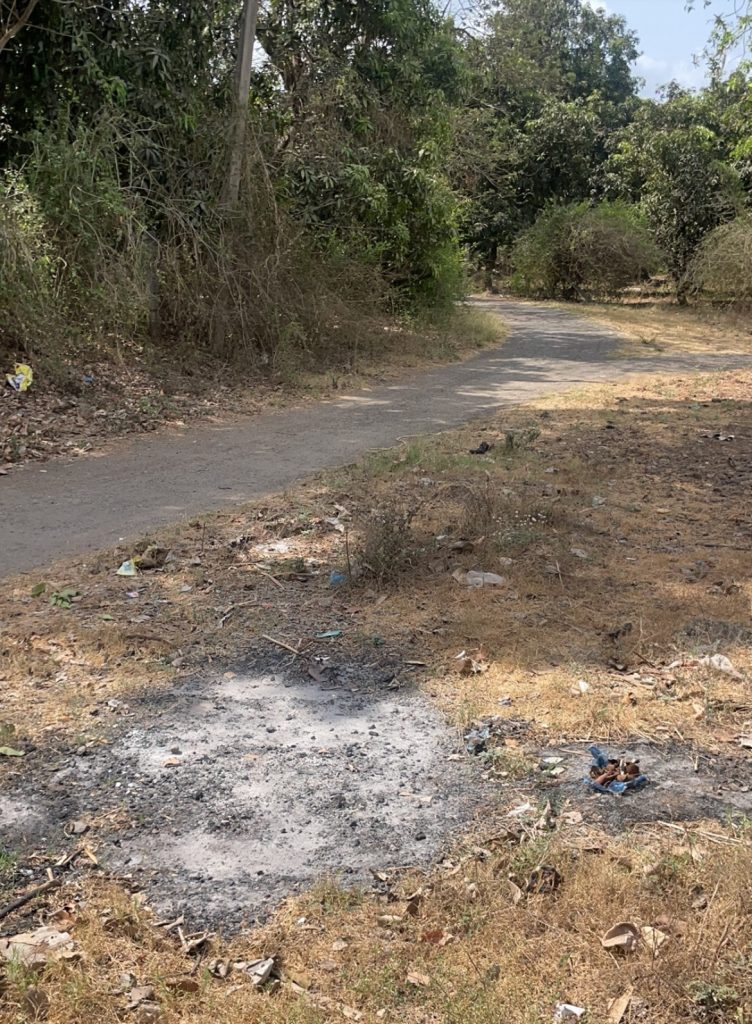
Adverse Effects on Human Health
- Air Pollution: Burning waste releases toxic substances like dioxins and furans, which are linked to respiratory problems, cardiovascular diseases, and cancers. Children and the elderly are particularly vulnerable to these pollutants.
- Water Contamination: Leachate, the liquid that drains from waste piles, can seep into the ground and contaminate water sources. This leads to the spread of waterborne diseases such as cholera, dysentery, and typhoid.
- Pests and Vectors: Open dumps provide breeding grounds for disease-carrying pests such as rats, flies, and mosquitoes. These vectors can transmit diseases like malaria, dengue fever, and leptospirosis.
- Soil Degradation: Hazardous chemicals from waste can leach into the soil, reducing its fertility and potentially entering the food chain through crops grown in contaminated soil.
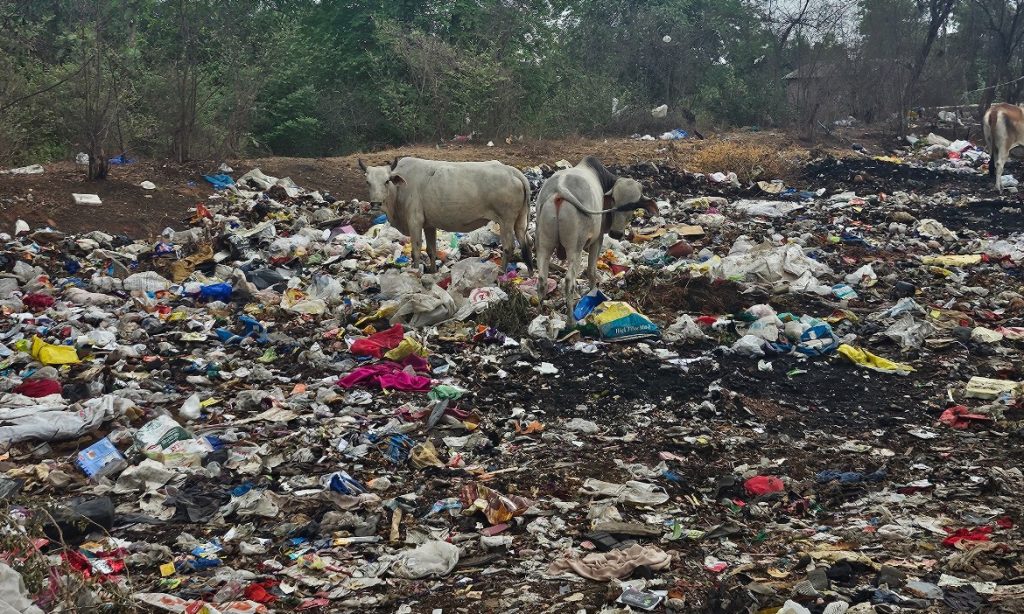
Individual Actions to Mitigate Waste Impact
While systemic changes are essential to address the issue of open waste dumping, individuals can also play a crucial role in mitigating its impact:
- Reduce, Reuse, Recycle: Minimizing waste generation by adopting the 3Rs can significantly reduce the amount of waste that ends up in open dumps. Composting organic waste, recycling materials like paper, plastic, and glass, and reusing items whenever possible are effective strategies.
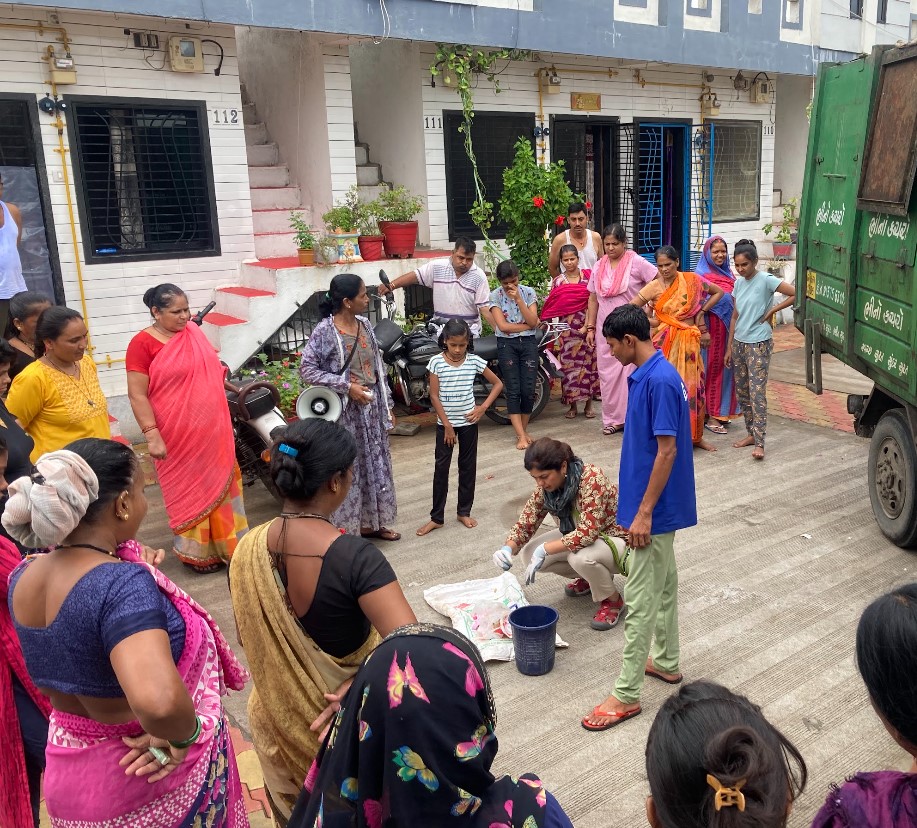
- Support Waste Segregation: Segregating waste at the source into categories like biodegradable, recyclable, and hazardous helps ensure proper disposal and treatment. Educate and encourage your community to practice waste segregation.
- Advocate for Better Waste Management Policies: Engage with local authorities and advocate for improved waste management systems, including regular collection, proper landfill management, and the establishment of recycling facilities.
- Promote Awareness: Raise awareness about the harmful effects of open waste dumping and the benefits of sustainable waste management practices through social media, community meetings, and educational programs.
