
India’s Climate Crisis: The Urgent Need for Sustainable Urbanization and Waste Management”
Climate change is causing global disruptions, and India is among the hardest hit, with heat waves pushing temperatures beyond 50 degrees Celsius in some states this year. These extreme conditions have severely impacted businesses and daily life.
Working on the ground in waste management, we have witnessed firsthand the challenges posed by these rising temperatures. In one instance, during the heatwave in Gujarat, we observed sanitation workers struggling to perform their duties, highlighting the urgent need for climate-resilient practices.
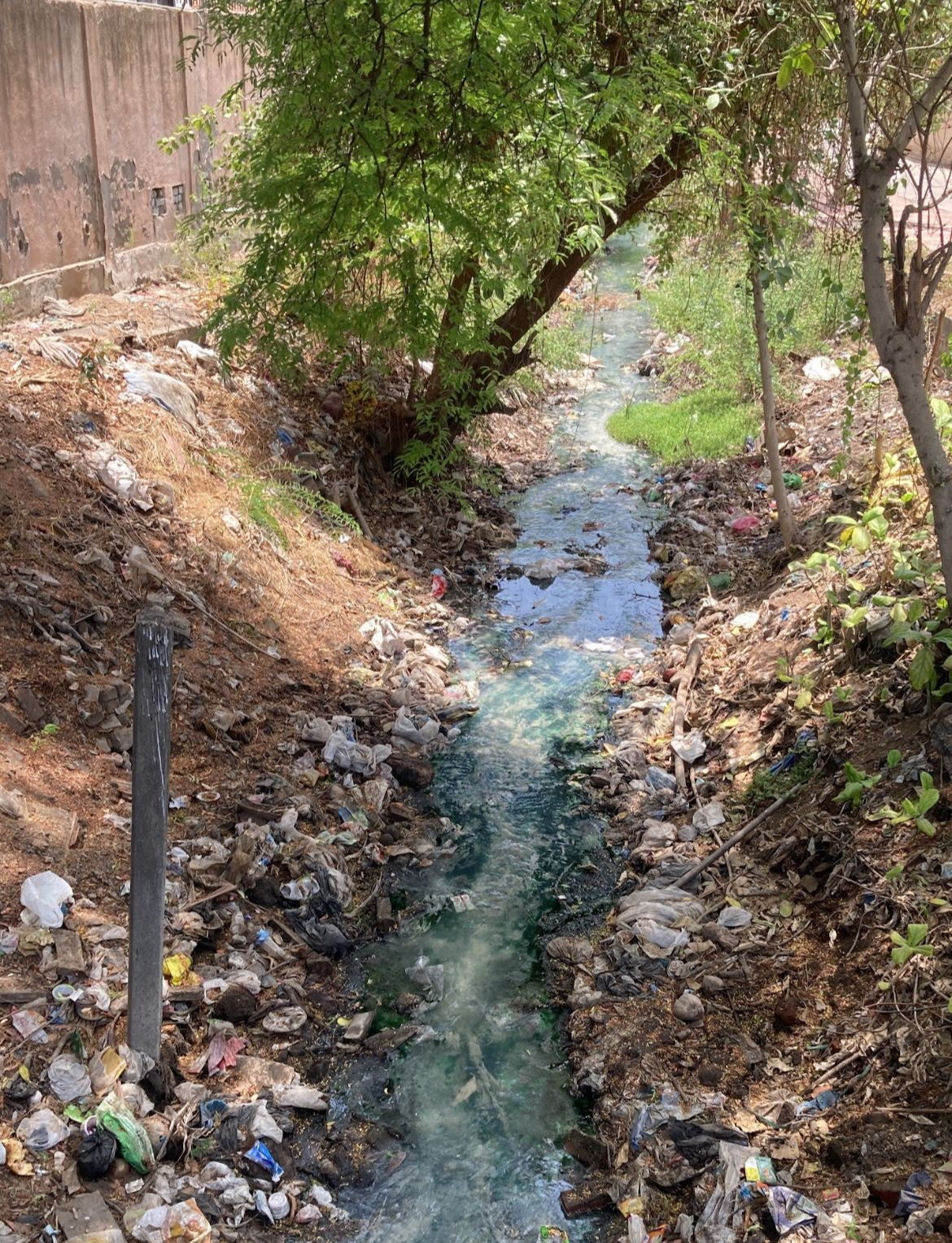
Rapid urbanization, poor waste management, unsustainable lifestyles, and an excessive carbon footprint are key contributors to this crisis. Urban growth is so fast that every few years, Gujarat alone adds a new city the size of Surat. This urban expansion significantly raises local temperatures by 3 to 4 degrees Celsius, exacerbating the heat problem.
In the rapidly expanding city of Surat, we’ve seen how unplanned urban growth and inadequate waste disposal systems have led to the proliferation of open waste dumps. These sites not only contribute to rising temperatures but also emit harmful methane gas, further aggravating climate change.
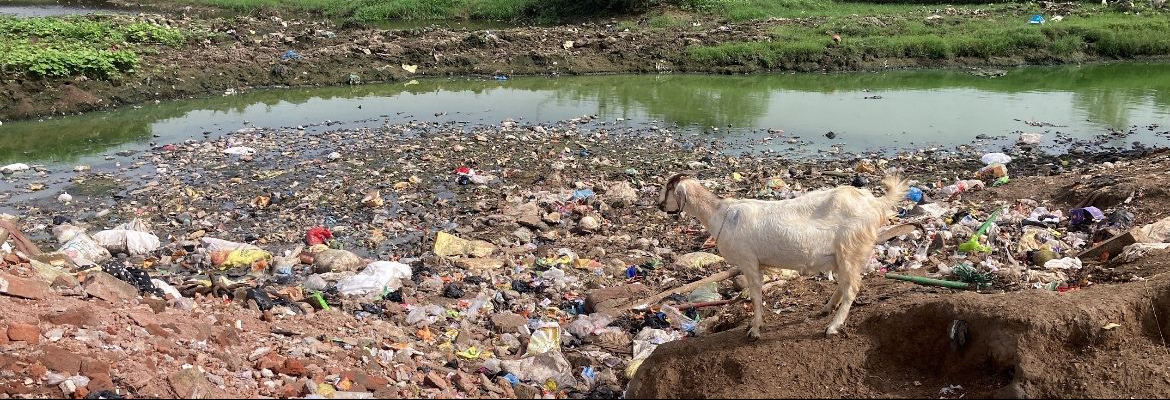
On both individual and collective levels, waste management is largely neglected, leading to increased emissions of carbon and other greenhouse gasses (GHGs) throughout the waste processing chain. This negligence compounds the environmental issues we face, leaving us on a path toward more frequent and severe climate extremes in coming years.
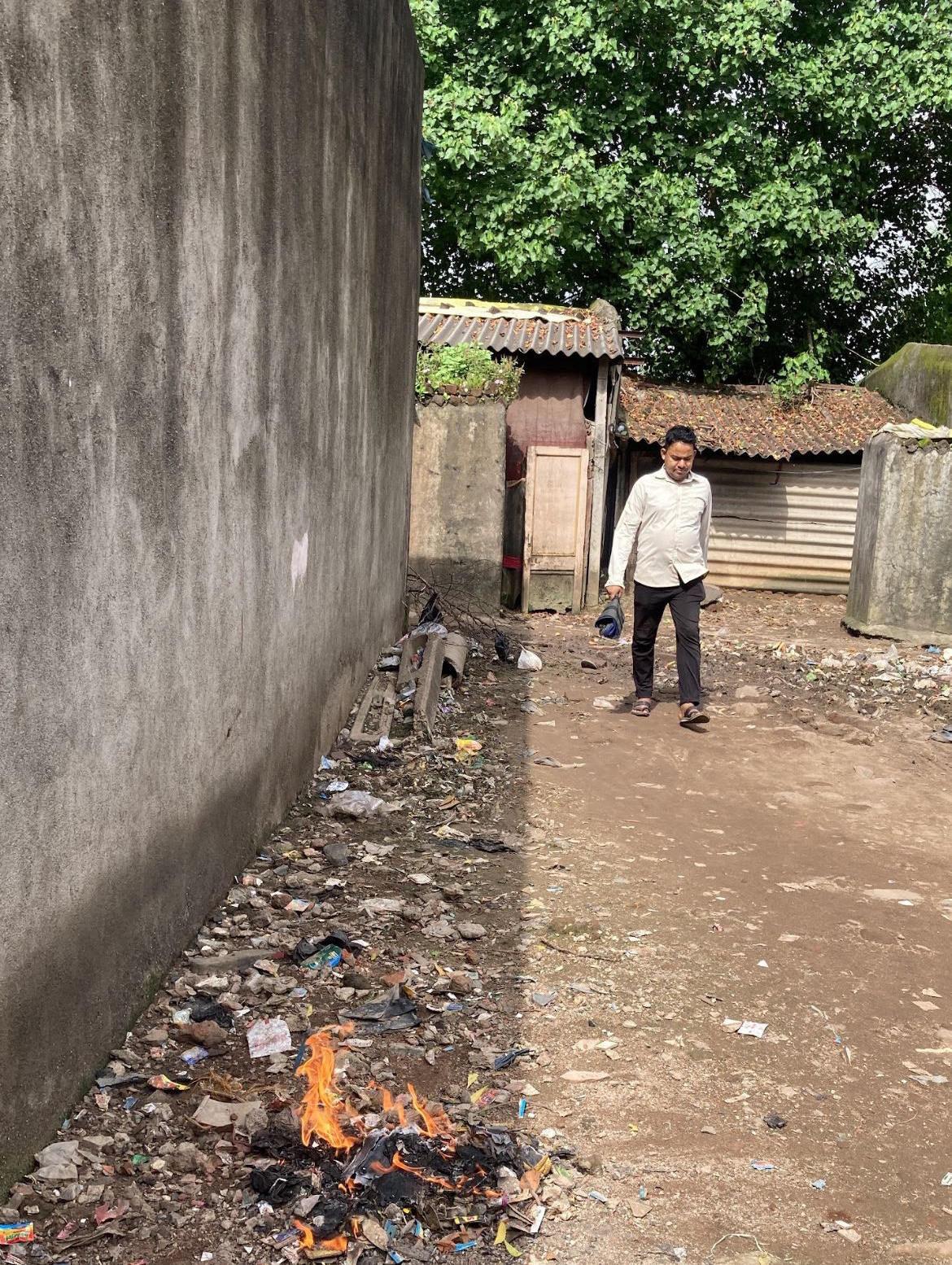
During field visits, it’s clear that the lack of awareness and infrastructure for waste segregation and treatment is a significant hurdle. In one ward, we observed a community that relied heavily on open burning of waste, contributing directly to local air pollution and increasing GHG emissions. This experience reinforced the importance of education and behavior change communication (BCC) activities for waste management practices.
A simple solution to these challenges lies in adopting a more sustainable lifestyle. Simple actions, like choosing public transport over personal vehicles and reducing greenhouse gas emissions from sources like power plants and factories, can make a difference. Even preserving forests, which absorb and store these gasses, plays a crucial role in mitigating climate change. If we don’t act now, we risk a future defined by environmental extremes, but with collective effort, we can steer towards a more sustainable and livable world.
In our efforts to improve waste management, we’ve seen how community-led initiatives, such as composting workshops, have reduced the amount of waste sent to landfills. These grassroots efforts, though small in scale, demonstrate the potential for collective action to bring about meaningful change.
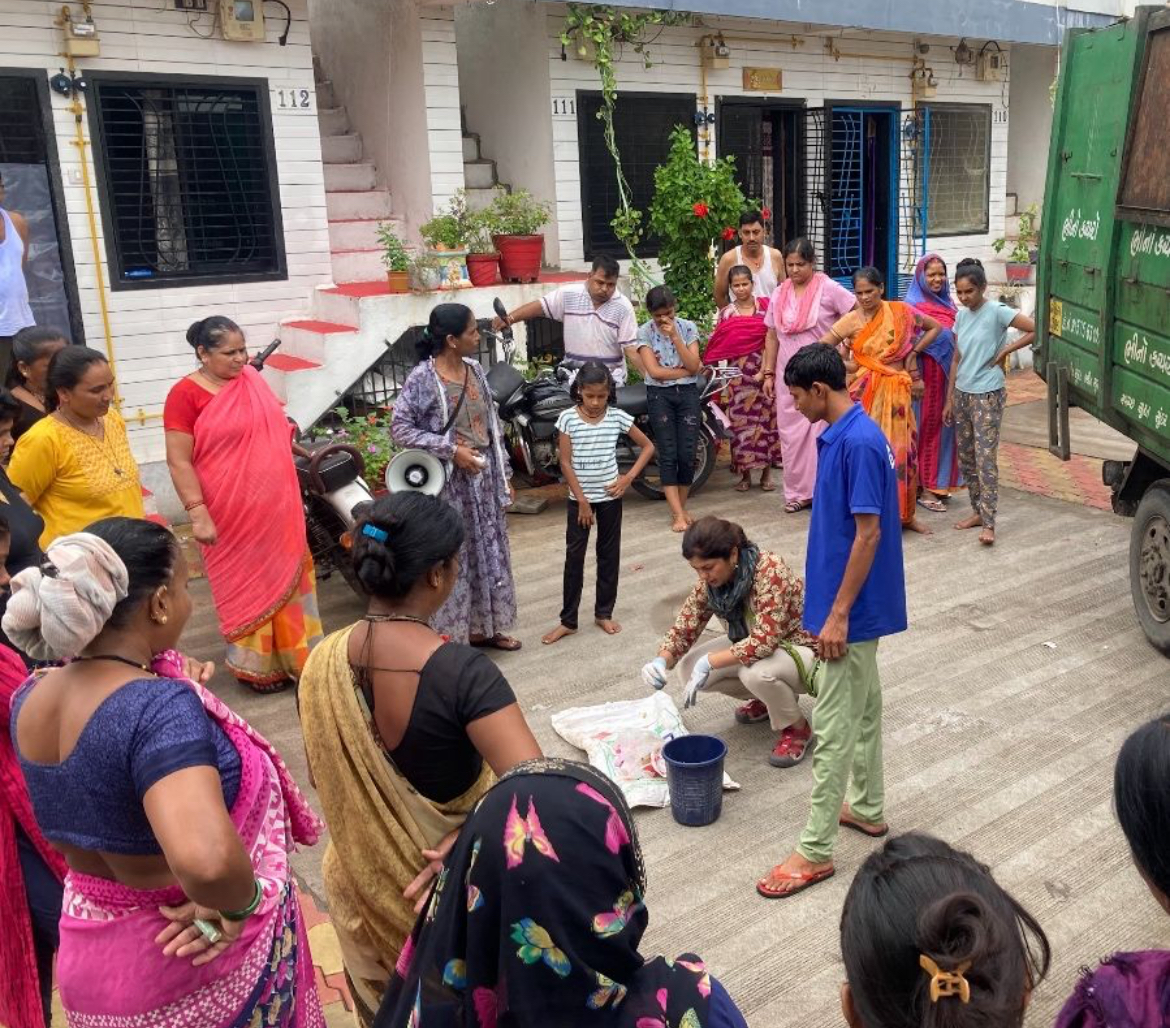
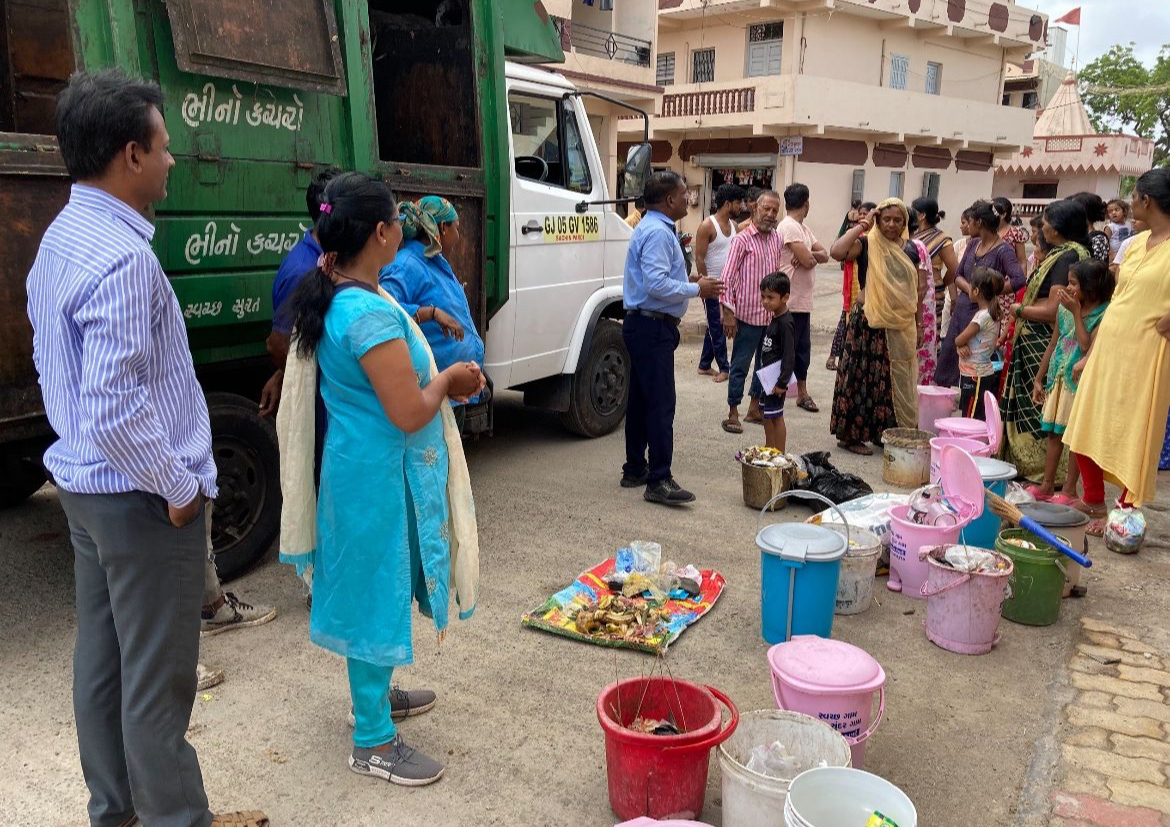
Incorporating these experiences brings a grounded perspective to the broader issue of climate change and waste management, emphasizing the importance of localized action at individual levels.